
Decision guide · 6 min read
Repair or replace a built-in in Castro Valley: how we decide
From the remodeled split-levels near Proctor to newer Five Canyons builds, here's the evidence we weigh before telling a Castro Valley owner to fix it or replace it.
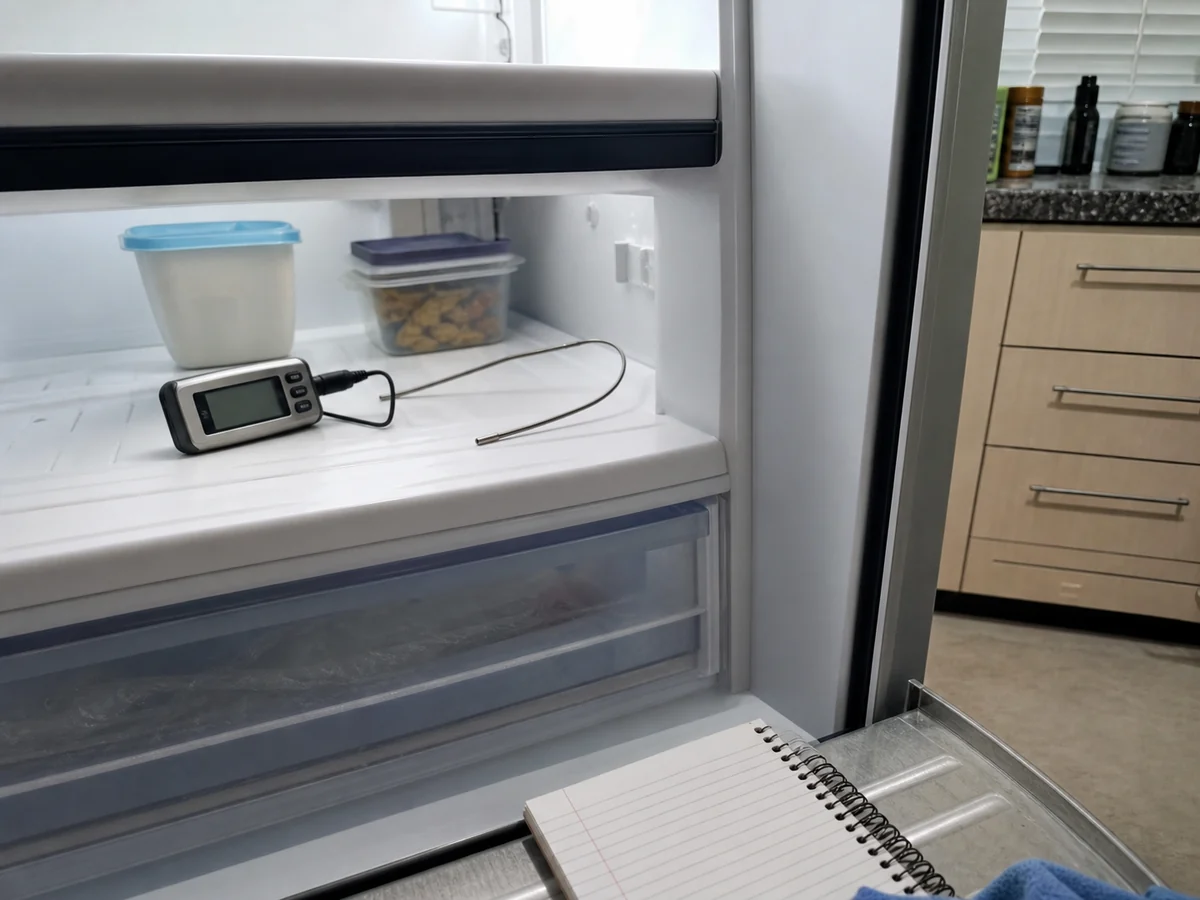
Castro Valley kitchens span decades. We work mid-century split-levels around Proctor and Castro Valley Village that were remodeled to fit a 48-inch built-in, alongside newer homes up in Five Canyons that came with high-end appliances from day one. "Should I fix it or replace it?" lands differently depending on which kitchen we're standing in — but the way we answer it doesn't change. It rests on the readings, not the age on the label.
What the diagnosis actually weighs
Every recommendation starts with a real diagnosis: model and serial, cabinet and compartment temperatures, airflow, and electrical or sealed-system readings as the fault calls for. A failed evaporator fan, a worn door gasket, a clogged condenser, a control board, or an ice-maker module are bounded, well-stocked repairs — on a Sub-Zero engineered to run fifteen to twenty years, fixing one of those is almost always the right call, whether the kitchen is a 1965 split-level or a 2015 build.
The conversation only gets closer when the sealed system is involved. A refrigerant leak or a failing compressor is the expensive repair. On a newer unit we put gauges on it and it's usually still worth saving; on a much older unit facing that same repair, we'll show you the pressures and sometimes tell you it's time. We would rather lose the job than sell you a repair that doesn't make sense for the kitchen you have.
Why the cabinet itself tips the math here
In Castro Valley there's a second factor a lot of owners miss: the built-in is sized to the cabinetry. In a remodeled split-level the surround was often built around that exact unit, so a like-for-like repair keeps the kitchen intact, while a replacement can mean cabinet and panel work on top of the appliance. That real-world cost of swapping frequently pushes a borderline call back toward repair. We lay out the $89 diagnostic, the repair estimate, and that surrounding cost openly so you're deciding on the full picture, not just the sticker price of a new box.
FAQ
Questions & answers
Is a 15-year-old built-in automatically a replace?
No. Age alone doesn't decide it — these units are built for the long run. What decides it is which part failed, whether the sealed system is healthy, and what replacing it would cost the surrounding cabinetry.
Will you ever tell me to replace instead of repair?
Yes, when the numbers say so — usually an older unit facing a major sealed-system repair. We show you the readings behind that call rather than just asserting it.
Does the diagnostic fee go toward the work?
Yes. The $89 service call is applied to the repair if you go ahead, so the diagnosis you pay for is value toward the fix, not a separate charge.
Go deeper
More Castro Valley guides
Sub-Zero Stopped Making Ice in Castro Valley: An Owner's Decision Guide
A Sub-Zero making no ice usually returns for $255-$980 once the module, inlet valve, or freezer temp is fixed. A Castro Valley owner's no-ice diagnostic guide.
Read the guide → Refrigeration Cycle Explained · 4 minHow a Sub-Zero Actually Cools: The Refrigeration Cycle for Castro Valley Owners
How a Sub-Zero refrigerator works: compressor, condenser, and evaporator explained by a 32-year Castro Valley technician, plus why local homes strain the loop.
Read the guide → Wine storage guide · 6 minWhy a Sub-Zero wine column drifts warm in Castro Valley
A Sub-Zero wine column that won't hold its set point is usually airflow or a tired dual-zone sensor — not a dead compressor. What we look at on Castro Valley wine-storage calls.
Read the guide →Next step
Rather leave it to a specialist?
Have the failing compartment and model number ready, and you will get a real first opinion — not a sales pitch.